


Seizure, breakage, cracking, wear, etc. Pistons are engine components which, because they are exposed to various agents, can often be damaged or fail. However, where they are located determines not only the failure, but also the severity of the failure. For example, there are four sensitive areas on pistons where most failures occur. They are the head, the rings, the skirt and the liner.
Piston problems can only be diagnosed by professionals in a reliable workshop. It is only by visiting these centres that they will know which faults occur in each of these areas and what causes them:
PISTON HEAD DAMAGE
1. Seizure
This can be caused by overheating due to combustion failure; bent or clogged oil injector; assembly error; cooling system failure; or reduced clearance at the top of the mating surface.
2. Signs of impact
This can be caused by excessive overhang; excessive machining of the cylinder head face; incorrect distance between cylinder head and valve; insufficient valve clearance, or incorrect valve timing.
3. Castings
Faulty injectors, incorrect injection flow, incorrect injection timing, insufficient compression, delayed ignition or vibration in the injection pipes are some of the causes.
4. Cracks in the top and bottom cavity
Usually caused by insufficient piston cooling or increased power (e.g. chip tuning).
PISTON RING DAMAGE
1. Material wear in the ring area
Incorrect piston mounting; fuel spillage; severe axial wear of the piston ring grooves or ring wobble are the main causes.
2. Radial wear due to fuel spillage
It is mainly caused by a mixture preparation fault; combustion failure; insufficient compression pressure or incorrect piston protrusion dimensioning.
3. Axial wear due to contamination
It can be caused by abrasive particles due to insufficient filtration; dirt particles that were not completely removed during engine reconditioning or carbon particles.
PISTON SKIRT DAMAGE
1. Asymmetric pattern
The cause of this fault is a bent or twisted connecting rod; slanted connecting rod eyes; cylinder bore bent at an angle; single cylinder mounted at an angle or very large bearings.
2. 45° seizure
This can be caused by over tightening of the pin, seizure in the con rod eye or incorrect installation of the shrink-fit con rod.
3. Seizure due to lack of lubrication or wear due to over fuelling
Causes include oversaturated engine fuel injection; combustion failure; loss of compression; faulty cold start mechanism or dilution of oil with fuel.
PISTON LINER DAMAGE
1. Cavitation
Caused by incorrect liner seating, faulty O-rings, unsuitable coolant, insufficient cooling system pre-pressure, too high or too low operating temperature, insufficient coolant flow or shiny areas in the upper cylinder area.
2. Sedimentation of carbonised oil on the firewall
May be caused by excessive oil ingress into the combustion chamber; increased exhaust leakage with oil transfer in the intake manifold; or inadequate separation of oil mist from exhaust gases.

REMSA PRODUCTS
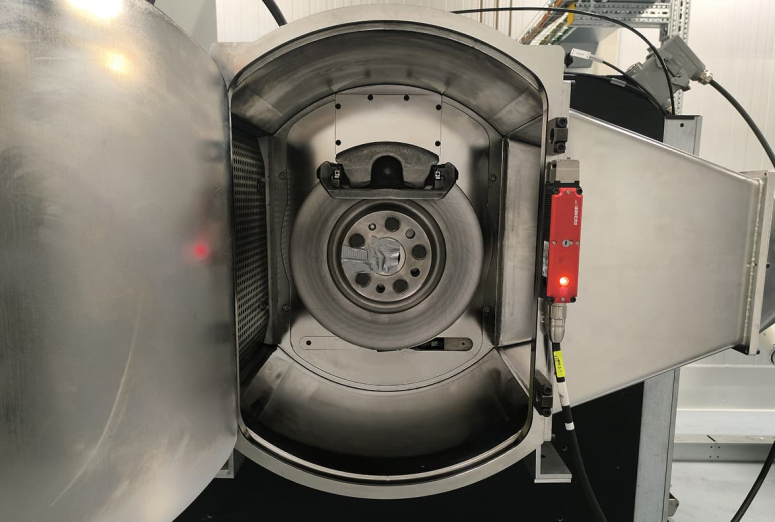
Get to know our range of products for cars and commercial vehicles: brake pads, brake disc, brake shoes.



Comentarios
No Comments