
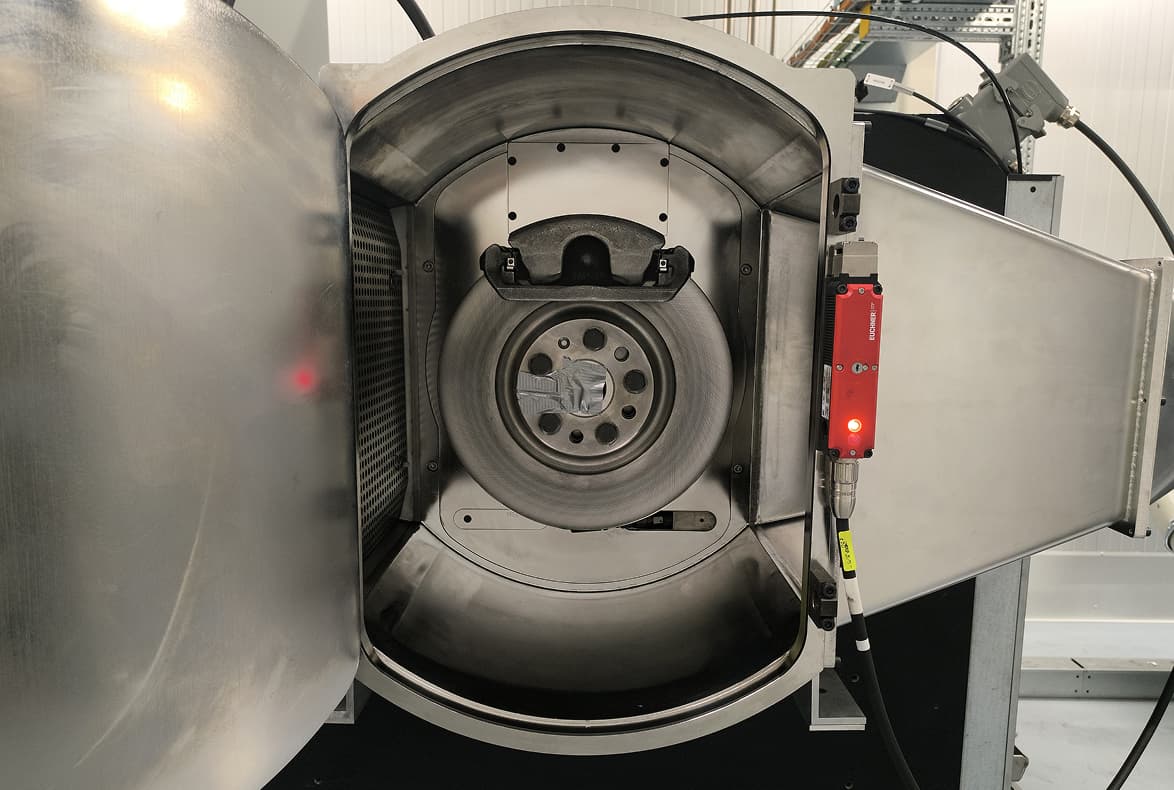


We’re ahead of the curve on Euro 7 with the latest emissions measurement technology
The evolution of the automotive industry is not only affecting engines, electrification and new propulsion systems. It is also transforming the way friction components are developed, tested and validated.
In the new Euro 7 context, brake particle emissions are becoming increasingly relevant. Brake dust, often invisible to the human eye, has become an important technical factor for manufacturers, laboratories and aftermarket professionals.
In this scenario, technical knowledge of the braking system is more important than ever.
Within the FMG Brakes environment, Remsa continues to strengthen its analysis, testing and validation capabilities through the development of a new brake dust test bench, located at the group’s global R&D plant in Mutilva, Navarra.
This new development makes it possible to gain deeper insight into the behaviour of friction particles generated during braking and to respond to the new technical challenges facing the sector.
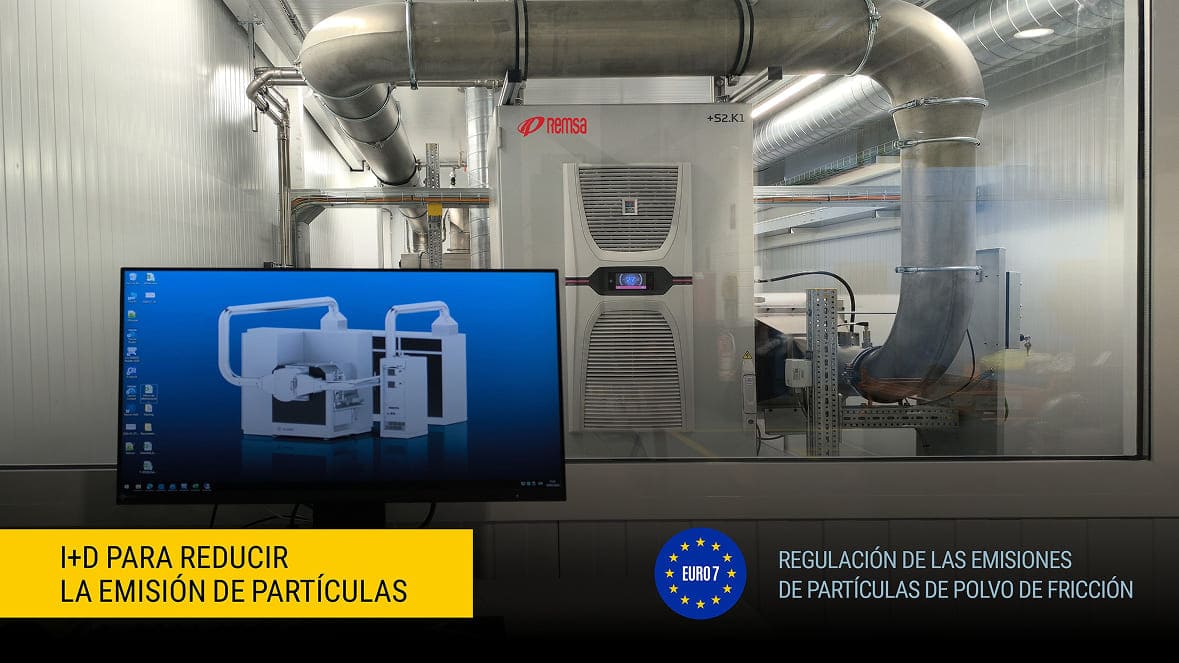
Technical experience applied to the future of braking
FMG Brakes’ new brake dust test bench allows brake emissions generated by friction components to be measured. But it is not only a testing tool.
It also reproduces driving conditions in order to analyse the behaviour of particles generated during braking and obtain valuable information for the development of materials, processes and solutions adapted to the new demands of the market.
For Remsa, this type of technical capability is closely linked to a clear understanding of quality: not only through the final product, but also through accumulated knowledge, process control and rigorous component validation.

More representative simulation
One of the key features of this test bench is its ability to work with higher air flow rates than those commonly used in this type of testing.
While standard benches operate with air flow rates of 1,500 m³/h, the test bench developed by FMG Brakes reaches 2,000 m³/h. This capacity helps improve the representativeness of the test conditions and brings the process closer to real operating scenarios.
Each test lasts approximately three days. During this process, the brake pads are bedded in before emissions are measured, helping to obtain more reliable and comparable results.
This level of testing requirement helps improve the understanding of how friction components behave under controlled conditions and provides valuable information for continued technical development.
Control and precision throughout the process
Measuring friction particles requires a highly controlled process. In this type of test, any variation can influence the reliability of the result.
That is why the particle collection filters undergo an acclimatisation process of at least two hours before and after the test. All tests are carried out in a fully controlled and monitored atmosphere, with the aim of reducing deviations and ensuring measurement stability.
Once the test is complete, the collected microparticles are weighed with a precision of ten-thousandths of a milligram. The results are then normalised to allow comparison with those obtained in other laboratories.
The process also includes reference filters to verify that there are no deviations in the weighing process. The permitted variation is minimal: only 0.01 mg from one day to the next. This control is maintained for four weeks using the same filters before a new cycle begins.
This methodology reinforces traceability, process stability and the reliability of the results obtained.
R&D to better understand the braking system
The launch of this brake dust test bench reinforces one of the group’s key pillars: continuous investment in research and development.
From the Mutilva plant, FMG Brakes promotes projects aimed at improving technical knowledge of the braking system and responding to the current and future challenges of the sector.
In this context, innovation is not limited to the development of new products. It also means having in-house testing tools, generating internal knowledge and moving towards solutions that are increasingly prepared for an evolving market.
For Remsa, being part of this technical environment means continuing to build on a clear foundation: experience, applied knowledge and reliability.
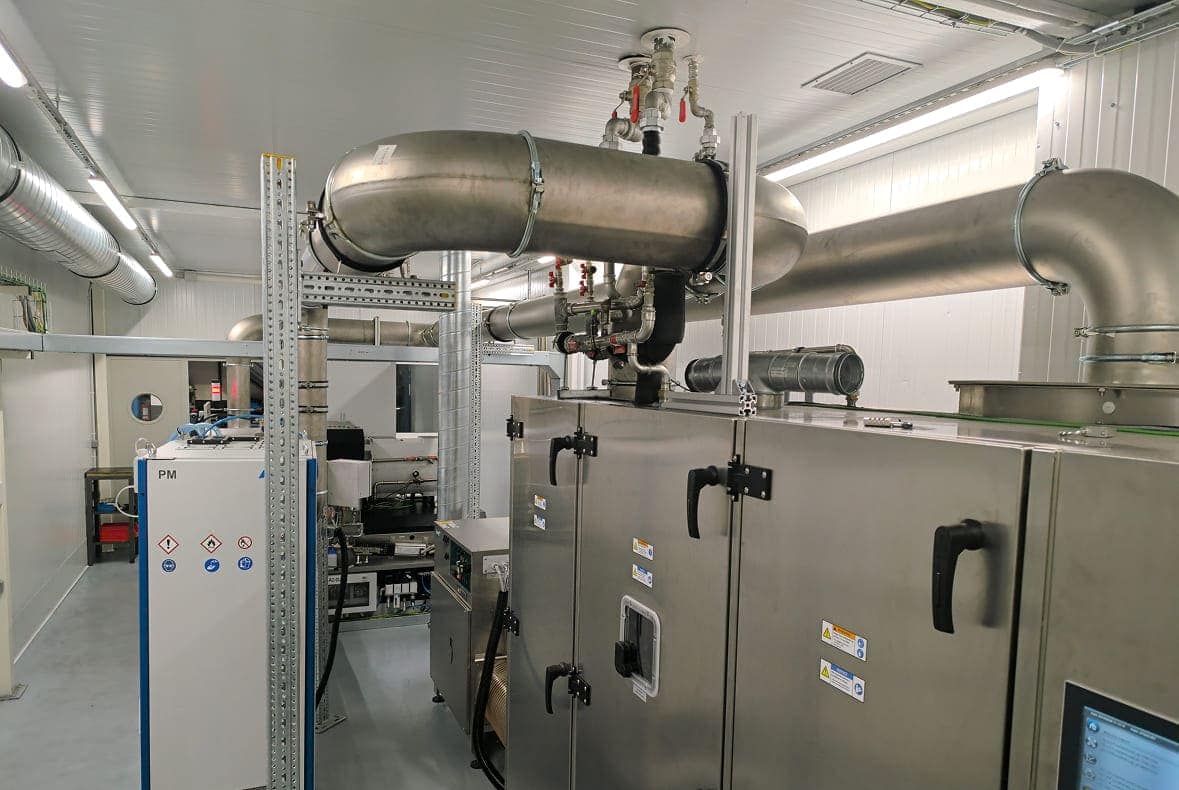
Ready for a new technical challenge
Euro 7 marks a new stage for the automotive industry. Friction particle emissions are becoming increasingly present in the technical and regulatory debate, encouraging the sector to incorporate new measurement, analysis and validation capabilities.
With this brake dust test bench, FMG Brakes strengthens its ability to study the behaviour of particles generated during braking and anticipate new market demands.
This evolution also reinforces Remsa’s positioning as a brand built on technical experience, quality and real knowledge of the braking system.

REMSA PRODUCTS
Get to know our range of products for cars and commercial vehicles: brake pads, brake disc, brake shoes.



Comentarios
No Comments