
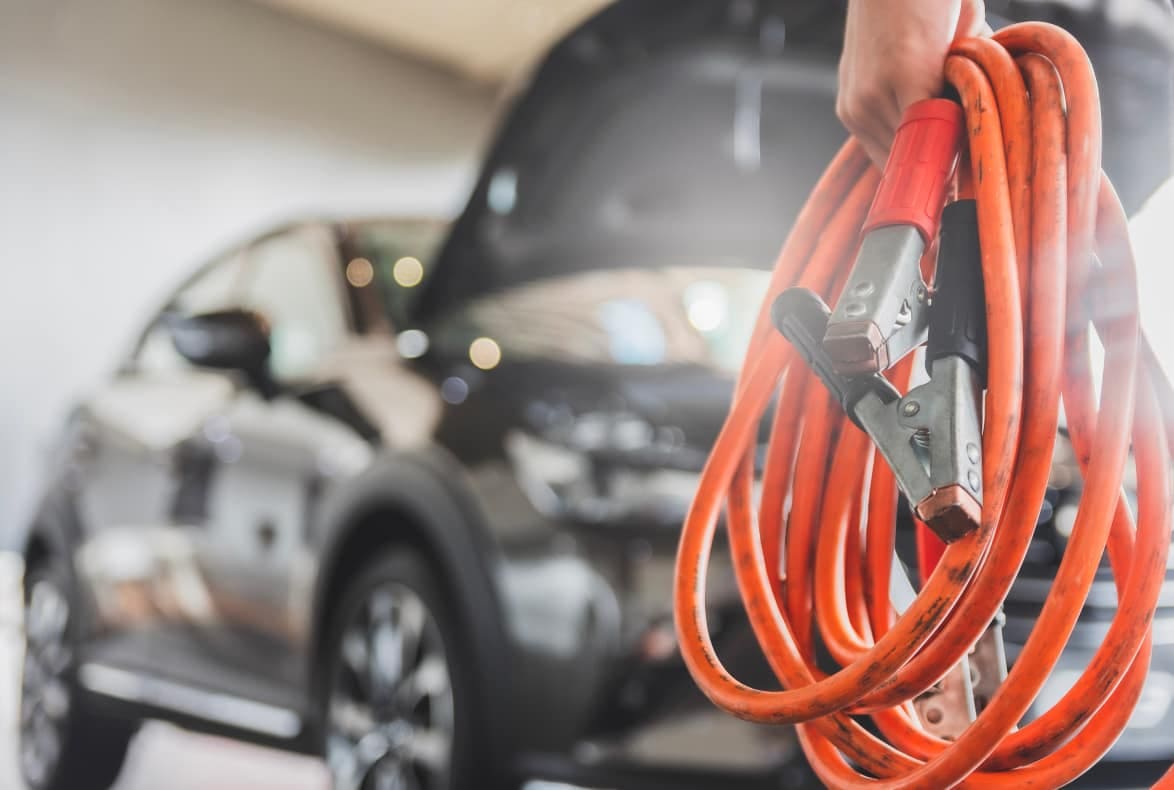


Battery replacement is one of the most common, if not the most common, operations carried out in a workshop. And, although the high quality of the service provided by the parts dealers means that they deliver the components in a very short time, in almost a matter of hours, it is not uncommon for workshops to have some battery models in stock to cover the most urgent needs of their customers.
It is therefore important to know how to store and preserve them correctly. Manufacturer Yuasa explains that all batteries should be stored in a cool, dry and well-ventilated area, raised off the floor and in an upright position with the carrying handles straight down. Location is important and it is essential to protect the batteries from excessive heat, as this will damage the batteries and cause them to lose charge more quickly.
And as for common mistakes, it explains that dry-charged batteries should never be unsealed until they are ready to be used by topping up with acid, as this preserves the charge in the battery and prevents the ingress of air, which causes the battery to deteriorate. If the seal is broken, the battery should be used immediately and treated as an activated, charged battery.
For shrink-wrapped batteries, it is recommended that they are stacked no more than three batteries high in a vertical position and, where possible, avoid stacking loose batteries on top of other batteries.
The voltage of stored batteries should be checked with a digital multi-meter during the winter months and every two weeks during the hot summer months. It should be noted that batteries that have self-discharged to 12.50 volts or below must be recharged immediately before being returned to stock.
Not surprisingly, a battery sold at 12.50 volts or less has a low open circuit voltage and a reduced ability to force current through the starter circuit. This results in a reduction in the number of engine starts the battery can provide. Therefore, the battery will not be able to provide full engine starting capacity and must be recharged using a smart charger.
Failure to do so will increase the risk of internal damage, loss of performance, premature failure and increased warranty claims.

REMSA PRODUCTS
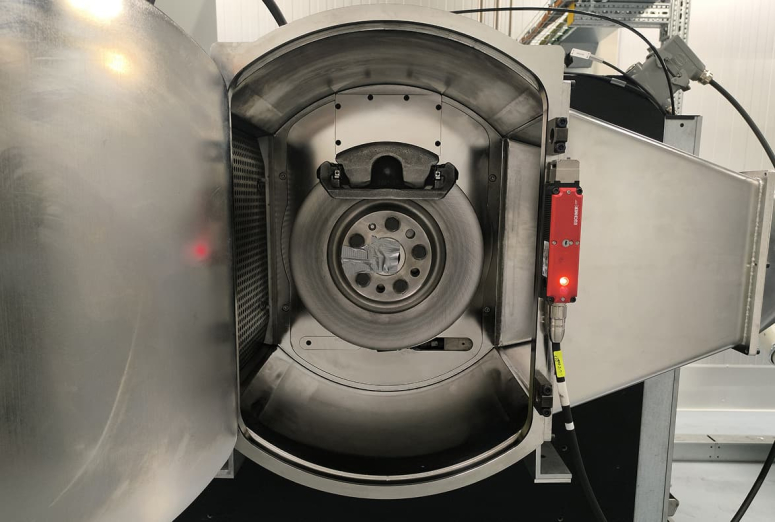
Get to know our range of products for cars and commercial vehicles: brake pads, brake disc, brake shoes.




Comentarios
No Comments