



Words such as stress, burnout or harassment are no strangers to workshops, which pose a risk to the operation and functioning of the business and can be avoided with good human resources management.
Aspa has produced an informative guide to inform and raise awareness of how to take these aspects into account on a daily basis, in order to prevent their risks from negatively affecting the health of workers and the productivity of workshops. The consequences of suffering from a mental illness or disorder are not easy to detect, although there are factors that can draw attention to their prevention: feelings of tiredness, drowsiness, difficulty concentrating or inaccuracy of movement are some of them.
A mental health problem can lead to lower performance during the working day or an increase in errors due to demotivation or fatigue, with the associated costs and risk of accidents at work. Nor should we overlook the fact that such circumstances can lead to increased absenteeism, increased sick leave or a direct increase in staff turnover. Not to mention the damage to customer image caused by a poor working environment or scenes of violence.
So at a time when the industry is experiencing a skills shortage, it is vital to look after your team. How to do this? A few tips:
- Whether it is to avoid a mental health problem, an accident, a conflict between workers or, in the most extreme case, a closure, a good human resources policy is essential.
- Adjust the workload. It is not a question of exploiting. Nor is it about doing nothing, because too much can be just as harmful as doing nothing at all.
- No less important is the organisation of working time and the nature of the working day. The aim is to promote flexibility in order to reconcile work and family life. There are many examples in Europe that show not only health benefits but also productivity gains.
- Trust the employee and allow them to manage short breaks, short mental breaks, during the working day.
- Encourage a variety of tasks, avoiding monotonous and repetitive tasks as far as possible.
- Provide the necessary information and training to carry out the task properly.
- Clearly define the objectives, tasks and responsibilities of each job.
- Try to adapt the environment, safety and comfort of the workplace.
- Ensure worker participation, encourage contact, interpersonal relations and cooperation.
- Listen actively to employees. Improve internal communication channels through meetings, panels, intranet or suggestion box.

REMSA PRODUCTS
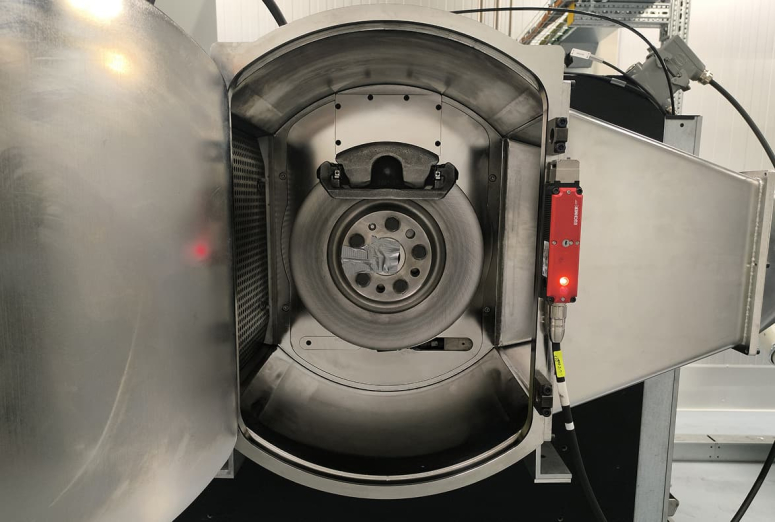
Get to know our range of products for cars and commercial vehicles: brake pads, brake disc, brake shoes.




Comentarios
No Comments