
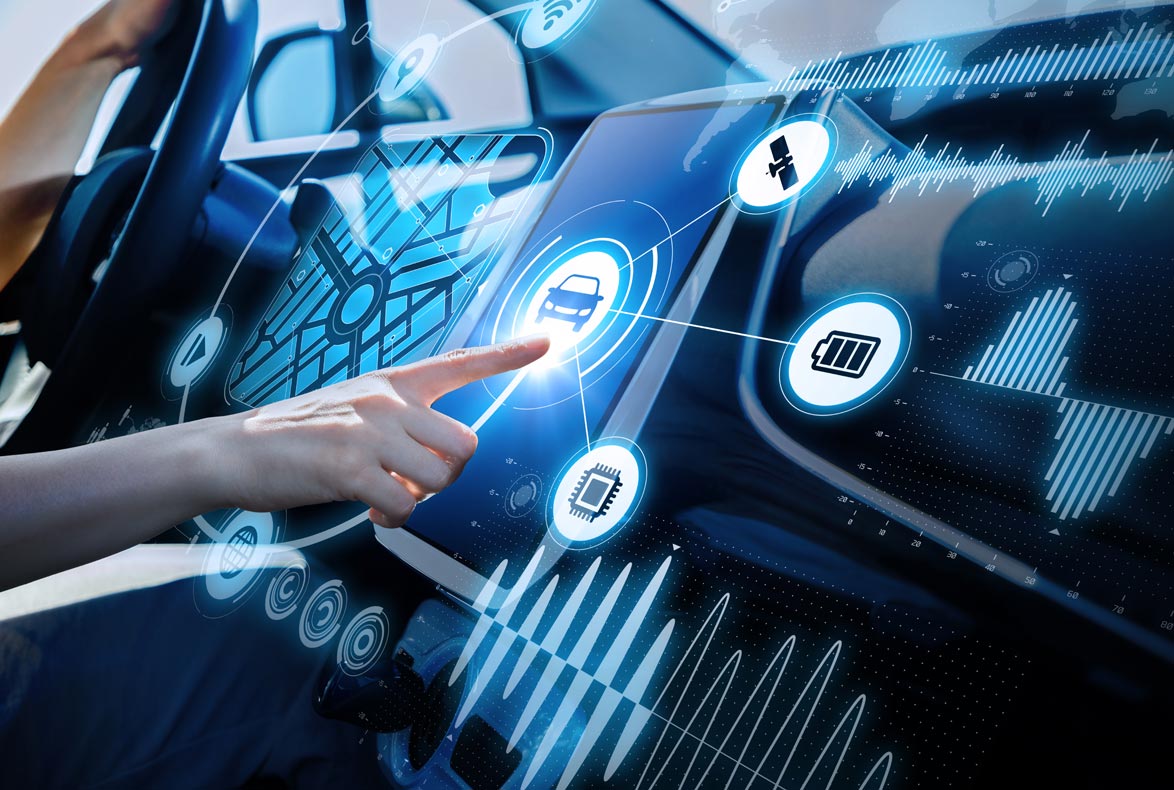


The new mobility will not destroy the workshop. The workshop business will experience a process of concentration of companies similar to that being seen in the United States and which is already beginning in the aftermarket.
Concentration or natural selection
The need for training and heavy investment in technology will make it impossible for small workshops to keep up. They will either disappear by natural selection or join others.
One important nuance is that the workshop will have time to transform itself. Changes in mobility and their impact on workshops are a fact, but they will occur gradually. Currently, 5% of registered vehicles are electric and by 2030, the most optimistic scenario foresees this figure rising to 35% in Europe.
The transformation of mobility is necessary, as cars currently account for 45% of total oil demand and accidents claim 1.3 million lives a year worldwide.
How will the new vehicles affect the workshop according to their type?
- Electric vehicles: this will not affect body shops in any way, but it will affect electromechanical workshops, which will have to adapt and train in these new technologies.
- Car pooling: this will not affect any type of workshop, given that, although it is expected to make one out of every two vehicles disappear from the fleet, it will increase workshop visits by 40%, since it travels many more kilometres than a conventional vehicle.
- Self-driving vehicle: it is expected to drastically reduce the accident rate, although it must be taken into account that it will coexist with conventional cars, which will continue to have accidents and will involve the electric vehicles. The workshops most affected by this transformation will be the body and paint shops. Forecasts indicate that there will be 70% fewer breakdowns, but they will be 40% more expensive to repair.

Will the vehicle fleet be reduced?
Another concern for the future is the possible reduction of the car fleet due to new socio-cultural trends. The crisis caused the number of cars per family to fall slightly, but not the interest in owning one. After-sales and, above all, sales are cyclical sectors, since superior goods (which can be dispensed with) are traded. Vehicle sales figures are not expected to return to levels of twelve years ago until 2025, but they will eventually do so.

REMSA PRODUCTS
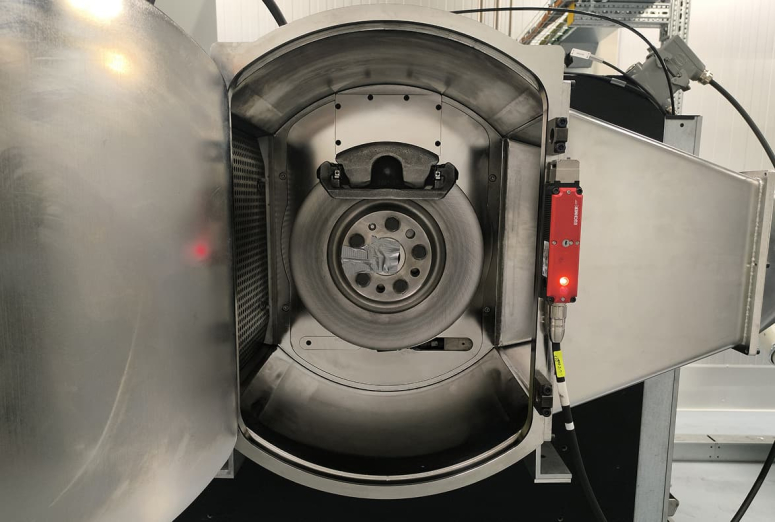
Get to know our range of products for cars and commercial vehicles: brake pads, brake disc, brake shoes.



Comentarios
No Comments