
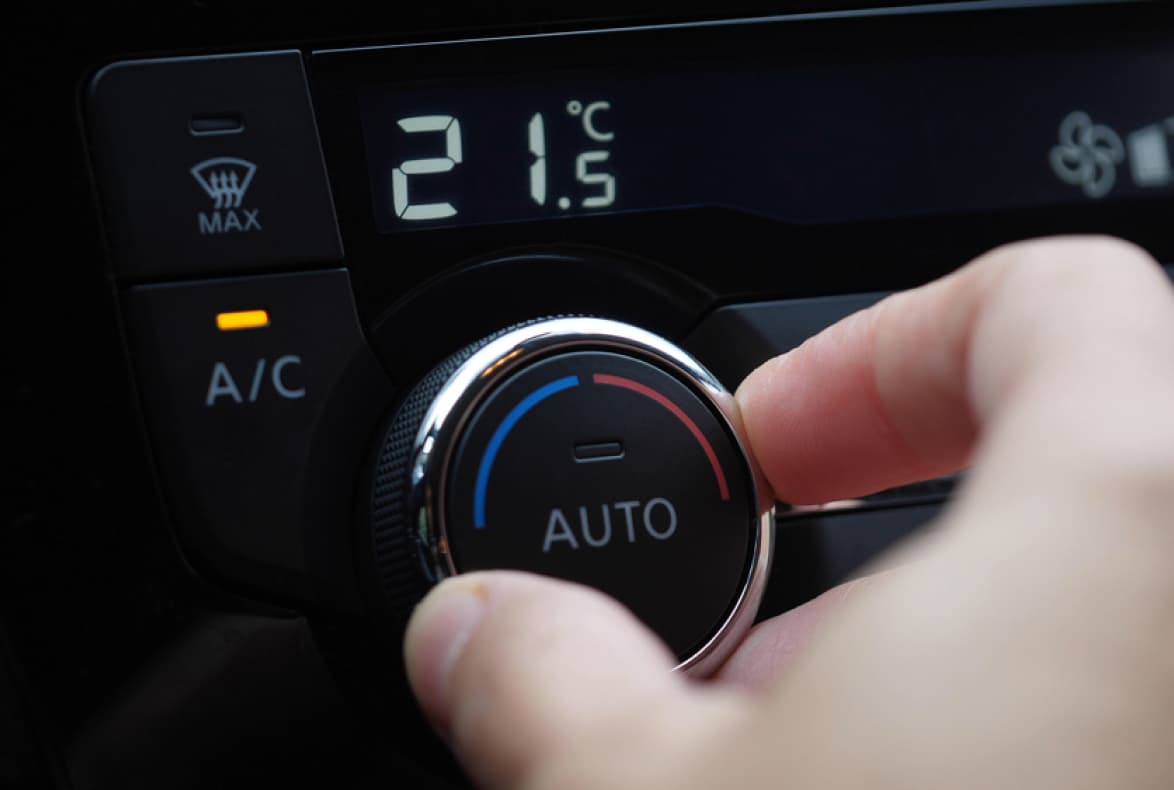


Passenger compartment heaters and fans are two elements that are critical not only for optimum air conditioning performance, but also for passenger comfort and safety. However, these two components are often overlooked by mechanics during routine maintenance, despite the fact that repairing them can be time consuming and costly in the event of a breakdown.
HEATER
The heater is first and foremost an essential part of the system. The heater controls the comfort of the vehicle by providing warm air to the passengers. In most vehicles it is located behind the dashboard or in the HVAC module.
In terms of potential failures, one of the most common is the build-up of contaminants of various origins in the heater core and heater tubes, which can eventually block the flow of coolant and reduce the heater’s operating efficiency. Common sources of contamination range from mineral scale from the use of water instead of a suitable coolant, to deposits from poor quality coolants, improper coolant mixes, or even residues from anti-leak products in the cooling system.
Another possibility is that the thermostatic valve is badly damaged, restricting coolant flow and preventing the heater from working properly. Corrosion due to wet conditions can cause heater core leaks, or leaks can cause coolant levels to drop, resulting in poor heater performance and further damage to other engine components.
Depending on the car model, the standard heater replacement time varies between two and three hours, but can be longer in some cars.
FANS
Interior fans, whose function fis to push air through the intake and into heat exchangers such as the heater and evaporator, are particularly vulnerable due to their plastic components, which can be fragile. As an electrical device, it is also sensitive to faults in the vehicle’s electrical system.
A clogged or faulty air filter can significantly reduce the life of the fan. The most common causes of interior fan problems are faults in the vehicle’s electrical system, restricted flow in the air intake system and incorrect handling during installation.
Depending on the car model, the typical replacement time for a fan can be between two and three hours.

REMSA PRODUCTS
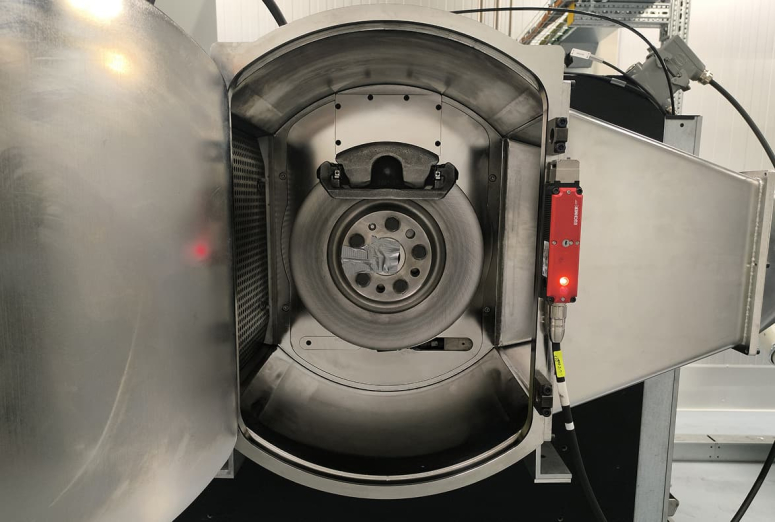
Get to know our range of products for cars and commercial vehicles: brake pads, brake disc, brake shoes.



Comentarios
No Comments