


Brake failure in the car is one of the least desirable circumstances for a driver in traffic. It is a moment of uncertainty, of danger, when keeping a cool head helps a lot to solve the problem in a satisfactory way.
But before that happens, the vehicle would surely have given us some indication that the braking system was having problems. We have covered all this in previous REMSA articles, such as the one on the most common brake failures.
It goes without saying that if your car is equipped with high quality brake components, such as REMSA’s brake pads and discs, the possibility of losing braking power is much lower.
The car is losing braking power; what should you do?
1. Stay calm, it is complicated in these moments but the calmer you are, the clearer you will be on what to do.
2. Stop accelerating and concentrate on the road.
3. Switch on your hazard lights to let other drivers know that something is wrong with your car.
4. If the car has enough speed, do not steer into the hard shoulder or guard rail as you could collide with them and cause the car to roll over.
5. Do not apply the handbrake suddenly at high speed as this may cause the rear wheels to lock and you may lose control of the car.
6. It is possible to pull the handbrake very gently when slowing down and reading the situation very well
7. Do not turn off the engine thinking that the car will stop by itself, as the mechanism that moves the steering wheel, the power steering, will stop working, become stiff and will not turn, with the consequent risk of an accident.
8. Slowly shift down to allow the engine brake to stop or to help slow the car down.
9. If the car is automatic, the lever must be placed in neutral, thus disconnecting the transmission from the engine to the steering wheel, although the engine will continue to run, the car will lose speed as the engine will not operate the drive shaft.
10. In both cases (manual and automatic) it is advisable to press the brake pedal several times hard to increase the pressure in the circuit.
11. Look for emergency exits, braking zones, hard shoulder (if you are driving at a low speed) so as not to involve other vehicles in the traffic.
12 Once the car has stopped, put on the reflective vest, place the breakdown triangles and call the insurance company to come and collect the vehicle.
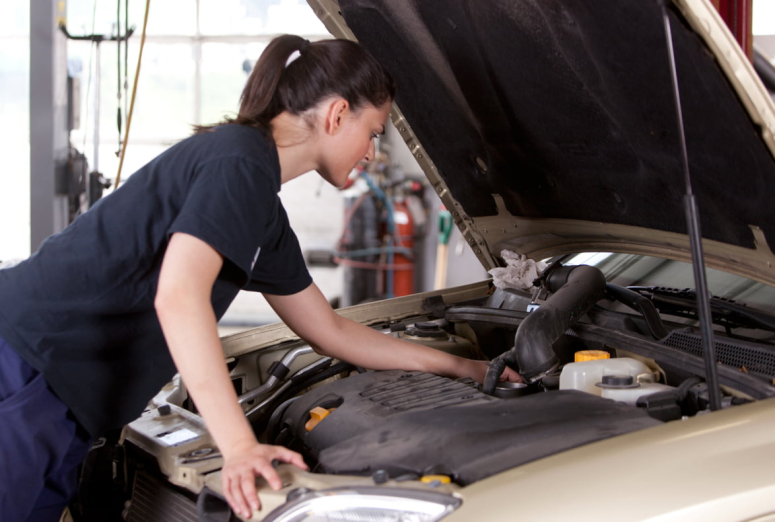
Finally, the best thing to do is to have your brakes checked every 20,000 kilometres by your trusted workshop with its excellent professionals, and to change your brake pads and discs to avoid this type of problem.

REMSA PRODUCTS
Get to know our range of products for cars and commercial vehicles: brake pads, brake disc, brake shoes.



Comentarios
No Comments