
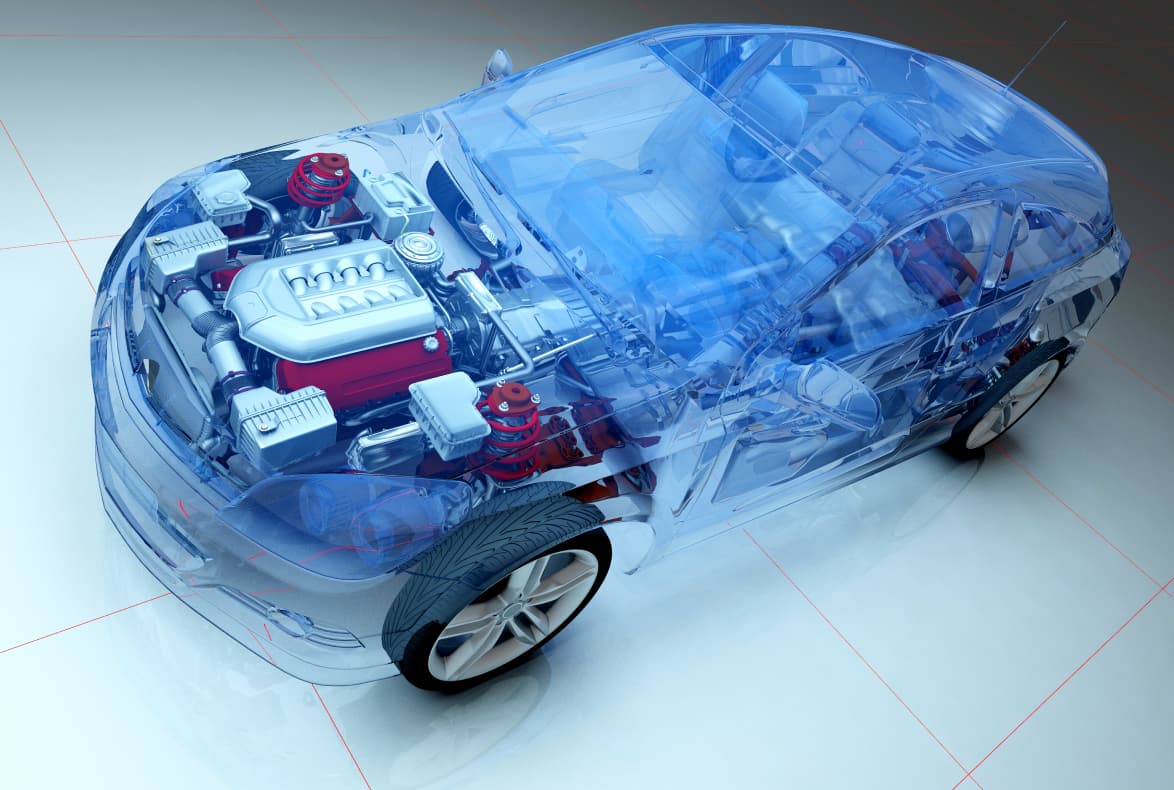


Vehicles are increasingly equipped with new systems that enhance both performance and driving experience. These technologies are progressively making their way into workshops for inspection and repair. Among the most recent systems to arrive are regenerative braking and the Energy Management System (EMS).
What Is Regenerative Braking?
Regenerative braking is a technology used in electric and hybrid vehicles to recover part of the kinetic energy that would otherwise be lost during braking. Energy Management Systems (EMS) are essential to ensure efficient energy use in electric and autonomous vehicles. This involves implementing intelligent algorithms that monitor and optimally control the distribution of energy between the powertrain and autonomous systems, playing a crucial role in the deployment and optimization of regenerative braking.
The initiative Choose Quality, Choose Confidence explains: “When an electric vehicle brakes, instead of using only mechanical brakes to slow down, the EMS redirects the energy generated during braking back to the battery.” This process converts kinetic energy into electrical energy, which can be stored and used to power the vehicle instead of being lost as heat.
A Key Role in Efficiency and Range
Both systems play a crucial role in improving the range, performance, and energy efficiency of electric vehicles by managing the energy flow between the battery, motor, and other components. Additionally, the EMS oversees regenerative braking, recharging the battery as the vehicle decelerates, which contributes to extended driving range.
EMS monitor and control various parameters—such as vehicle speed, battery charge level, and power demand—and use this information to determine when and how much regenerative energy can be captured without compromising vehicle safety or performance.
Additional Benefits of Regenerative Braking
In addition to enhancing energy efficiency and increasing the driving range of electric vehicles, regenerative braking also helps reduce wear on mechanical brakes, as they are used less frequently. This can lead to lower maintenance needs and longer service life for braking system components.
How Should These Systems Be Maintained in the Workshop?
Regular maintenance facilitates the early detection of potential issues and prevents system failures, while software updates can add new functions and capabilities to the vehicle. “A well-maintained EMS can extend battery life and reduce energy consumption, resulting in longer driving ranges and lower energy costs,” notes ECEC, which views the future of EMS in electric vehicles as promising—with improvements and developments that could lead to more efficient and sustainable transportation systems.
Finally, it is crucial to respect the original battery technology (AGM or EFB), as the EMS cannot distinguish the type of battery installed. Using an incorrect battery type could lead to serious malfunctions.

REMSA PRODUCTS
Get to know our range of products for cars and commercial vehicles: brake pads, brake disc, brake shoes.




Comentarios
No Comments