
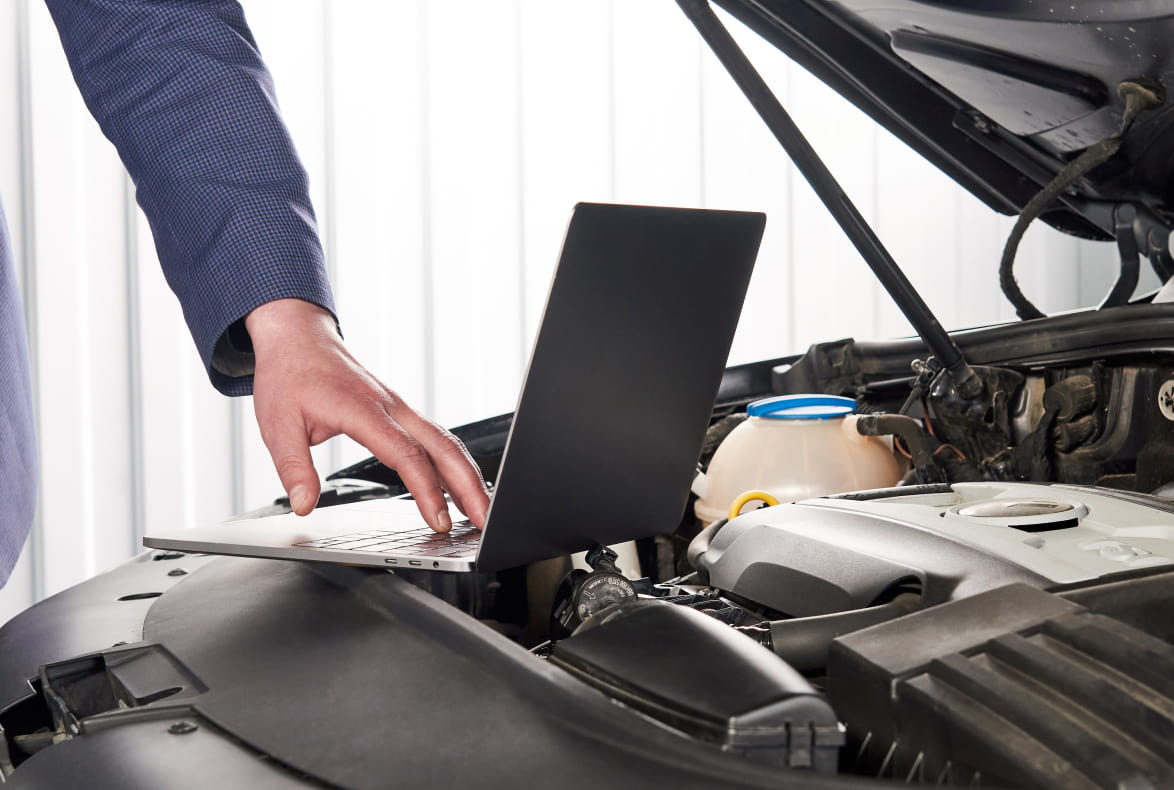


The traditional business model will be a thing of the past. And although fully electric cars are arriving—albeit not en masse, but rather in hybrid form—it is undeniable that connected cars have been here for some time, shared mobility continues to evolve, and autonomous vehicles, in principle, will eventually arrive. These are types of vehicles and uses very different from combustion cars, which are what workshops are accustomed to.
The adaptation of workshops to this new reality was the focus of the presentation given by José María Cancer, General Director of Cesvimap, at the I Conepa Workshop Congress, during his talk “The Sustainable Workshop to Come”, which addressed the transformations inherent in the expansion of these four automotive concepts.
The expert described a scenario of increasingly comprehensive mobility, which will require continuous investment in training. Workshops will need to develop digital skills and knowledge to service electric vehicles and related components, generating alternative business opportunities, such as battery repair and/or recycling. Moreover, workshop managers must have an open mind to handle different types of work and professionalize management to expand business with fleet operators and new mobility providers, as the traditional private customer will no longer be the only client.
With this new market configuration—both in terms of the more advanced and connected fleet, and the new types of customers—workshops, insurers, and manufacturers will need to interact more closely.
Regarding electrification and its influence on workshops, José María Cancer stated, “We buy what the brands offer us, with forced shortcuts to meet emissions targets (hybrids and plug-in hybrids). Customers and workshops are simply followers of what is available.” However, electric vehicles provide other business opportunities, such as battery recycling, although this is currently distant from the workshop.
As for shared cars, they generate new major stakeholders and business opportunities (leasing, pay-per-use subscriptions, rent-a-car, car sharing, and used vehicles for end customers), beyond the individual users of this mobility service. “Car brands have positioned themselves to be involved at every stage of the vehicle’s lifecycle and usage. For the maintenance of these vehicles, if you don’t have relationships with these mobility providers, you’re left out,” warned José María Cancer.
Finally, the impact of autonomous vehicles—which are still far from Level 5—relates more to manufacturers’ investments in second-generation ADAS systems. As more autonomous cars appear, there will be lower accident frequency, but higher cost per claim. “In this context, workshops will need to include the equipment and expertise to calibrate cameras and sensors linked to ADAS,” emphasized José María Cancer.

REMSA PRODUCTS
Get to know our range of products for cars and commercial vehicles: brake pads, brake disc, brake shoes.



Comentarios
No Comments