



The large number of workshops in existence means that competition between them is intense. From official repair workshops, to networked workshops, to purely independent repair workshops, motorists have a wide choice of repair shops at their disposal to which they can take their vehicles for repair or maintenance.
Differentiation therefore means making continuous improvements in various areas of the business in order not to fall behind, bearing in mind that the workshop systematically fails in certain aspects of its day-to-day business. If most are failing in these areas, then addressing them is a way to differentiate and improve business productivity and profitability.
- Failure to understand your customer relationships and the reasons why a motorist visits your workshop.
- Not knowing your audience segmentation and not having a clear idea of the type of customer visiting the workshop.
- Not having an established pricing policy, so they may charge less than the market standard, resulting in losses or not making the most of their business.
- To be aware of the products or services that generate the highest turnover for them, with the aim of promoting them.
- Not having a purchasing strategy or a person in charge of it.
- Failing to review or keep records of supplier files in order to determine which supplier is the most suitable and cost effective at any given time according to their commercial conditions.
- Failure to have a protocol for dealing with sales consultants, resulting in time and money being wasted by having to stop work to deal with them.
- Undefined process maps, so that in the absence of the manager, tasks may be performed poorly because there is no protocol for action.
- Lack of protocol for customer service or after-sales issues
- No final check-in of tools to determine where they should be placed at the end of their use, nor check-in of the repair, which can affect safety as there is no guarantee that an element belonging to the vehicle has not been left out.
- The workshop does not have a daily or weekly briefing.
Analysing the above-mentioned processes and shortcomings would not only increase productivity, but also differentiate the company from those workshops that continue to make these mistakes. To achieve this, customer satisfaction surveys can be carried out, so that customers can share their point of view and take advantage of this feedback to provide better service, as well as to reinforce the training of employees in all areas.
In short, with a small investment in time it is possible to achieve a significant improvement in the processes and profitability of the business, in addition to building the loyalty of existing customers and attracting new motorists who will end up considering our workshop as their “trusted workshop” for the future.

REMSA PRODUCTS
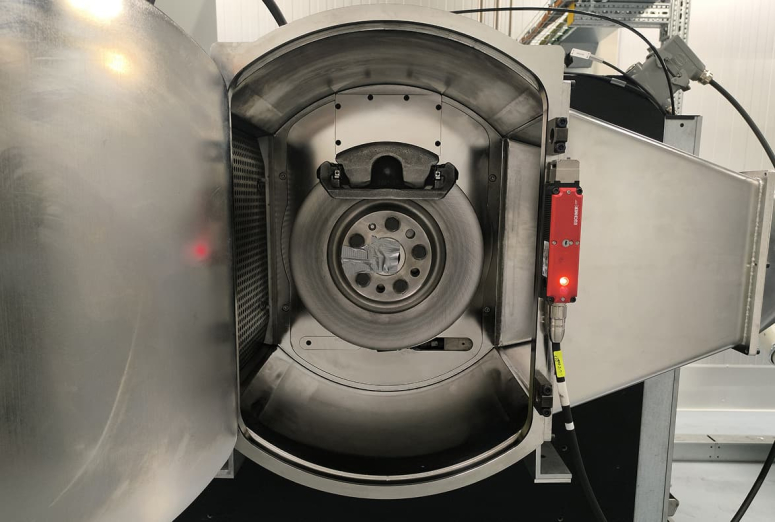
Get to know our range of products for cars and commercial vehicles: brake pads, brake disc, brake shoes.



Comentarios
No Comments