
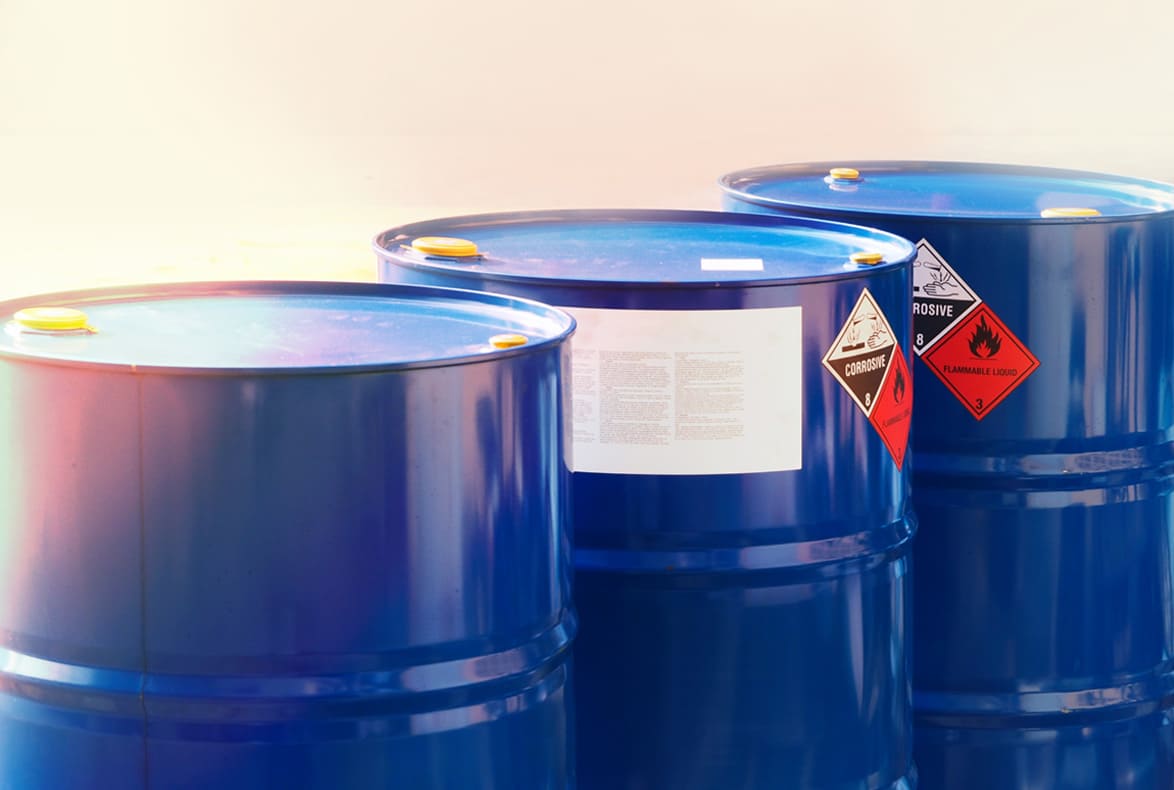


Depending on the speciality, the waste can be of different types, although with the exception of body shops, most workshops are used to dealing with oils, tyres, batteries and light bulbs, which they know how to handle. However, there are many less common and less well known wastes that also require thorough and meticulous treatment.
The guidelines for managing these wastes vary, although the process is common. Firstly, these liquids or elements should be collected in tanks, labelled and stored properly until they are removed. It is equally important to have systems in place to collect and contain any spillage. It is important that empty containers are not re-used and, of course, that they are not handled until they have been handed over to an authorised manager for disposal.
The lesser known workshop wastes are as follows:
- Hydraulic fluids and coolants: these are hazardous liquids because they contain pollutants such as solvents, which can leach into water and cause environmental and health damage.
- Lubricating greases: their main function is to separate the contact surfaces of a bearing in order to reduce mechanical friction and wear. They are flammable substances and can be harmful if they come into contact with the skin or eyes.
- Solvents: these present risks of flammability, explosiveness and harmfulness by inhalation, skin and eye contact and by ingestion.
- Loosening sprays: their major hazards are flammability and explosiveness. To a lesser extent, they also present risks by skin and eyes contact.
- Brake pads: these are not hazardous waste unless they contain asbestos, which has been banned as a raw material since 2002 because it is considered to be very dangerous to health. It may be found in items manufactured before this date.
- Refrigerant gases: refrigerant fluids used in air conditioning. The main risk is from fluorinated products as they contribute to the greenhouse effect.
- Rags and materials impregnated with oils or chemicals: their risks are the same as those of the substances with which they are contaminated.
- Empty containers or containers with chemical residues: the same precautions should be taken as for their handling.
- Petrol and diesel fuels: hydrocarbons are highly flammable substances which present a risk of fire and explosion and are harmful by inhalation and through the skin.
- Oil and fuel filters: these present the same risks as the substances with which they are contaminated.
- Paints: these are flammable products with a high capacity to form explosive atmospheres. They also have properties that make them hazardous by inhalation, skin/eye contact and ingestion.
- Filter screens: these are wastes obtained from the dry separation of overspray in which the particles are hardened and do not contain solvents.
- Spray booth sludge: waste obtained from the wet separation of the overspray. Paint sludge or coagulate is composed of small amounts of solvents, paint particles, coagulating agents and contain oils.
- Primers and hardeners: these are substances used to protect the sheet metal from oxidation. The function of hardeners is to isolate the undercoat from the topcoat and to act as a support for the paint.
- Adhesives, glues and mastics: substances capable of maintaining the unity of contact between two solids.
- End-of-life parts: these are generally not hazardous waste, although they may be considered as such depending on the substances with which they have been in contact.

REMSA PRODUCTS
Get to know our range of products for cars and commercial vehicles: brake pads, brake disc, brake shoes.



Comentarios
No Comments