
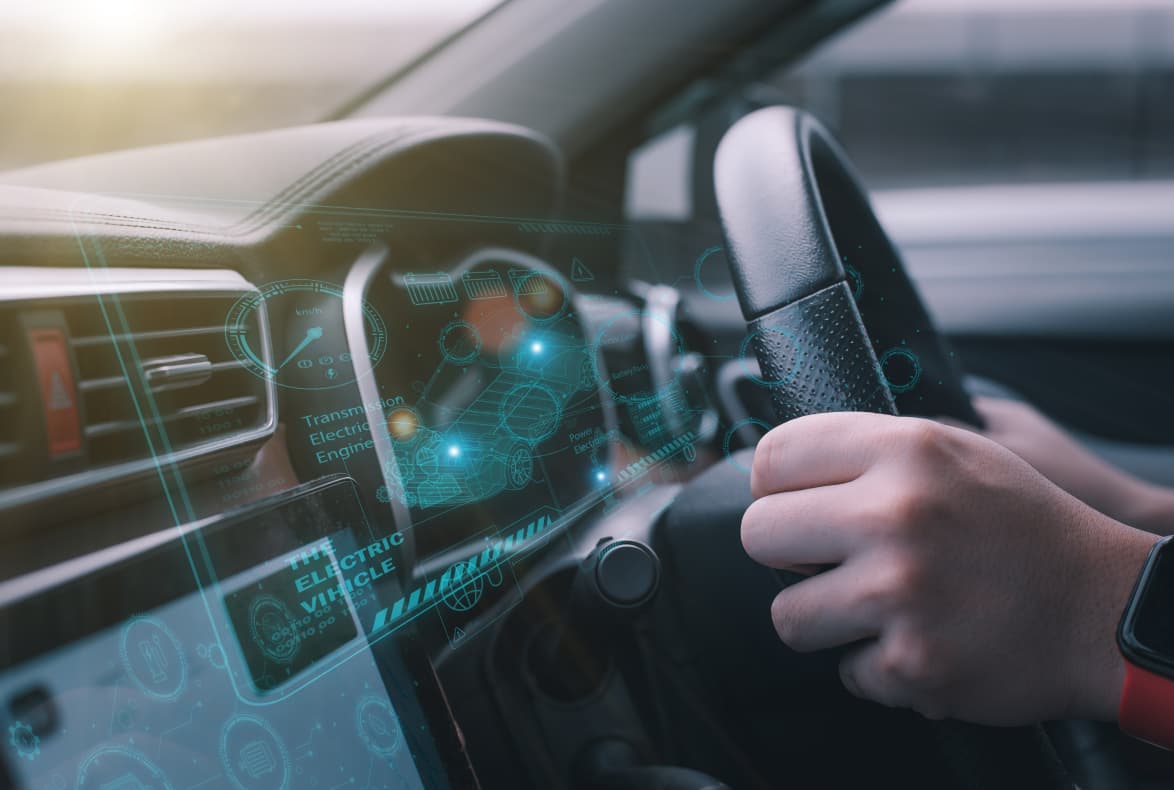


The automotive industry has been heading toward software-defined vehicles (SDVs) for years. These cars, also known as SDVs, are connected to the internet and capable of sending and receiving data. This increased level of technology has consequences—some positive and others not so much—for workshops.
Specifically, Bosch has identified the five main ways that software-connected cars will impact the industry and workshops:
1. Vehicle changes without visiting the workshop
The car is transitioning from a static machine with software systems for specific functions to a super-connected electronic device. In this regard, more sophisticated and widespread software could allow vehicles to be updated with new features without the need to visit a dealership or mechanical workshop.
2. Lower prices for electric vehicles
These updates we mentioned allow the software managing all of the vehicle’s electronic systems to behave almost like that of a smartphone, enabling users to access apps and subscriptions for additional features that enhance their driving experience. The progressive implementation of this update system could reduce development costs and improve performance, giving manufacturers the possibility to lower the price of electric vehicles.
3. Full adaptation of the vehicle to the driver
Frenetic innovation is not the solution in a hyperconnected world, where it becomes increasingly important that technologies evolve alongside user needs. In this context, personalization and the adaptation of technology to each driver’s needs—enabled by vehicle software—are key to delivering a safer and more pleasant future driving experience. So much so that, in parallel with the advances in autonomous driving, manufacturers are also developing entertainment tools, such as the so-called fourth screen.
4. Closer relationships with customers than ever before
It may seem contradictory: technological advancements in automobiles leading to greater user autonomy, while at the same time aiming for stronger customer relationships and loyalty. However, these two ideas go hand in hand, as the focus of major companies in the sector is on customer relationships, which are the key differentiating factor between brands.
5. Complete overhaul of the vehicle’s E/E architecture
Automakers will need to rethink the traditional electrical and electronic (E/E) architecture of vehicles. Software will allow for centralization of functions into a small number of powerful centralized computers, freeing up space and accelerating the innovation cycle.

REMSA PRODUCTS
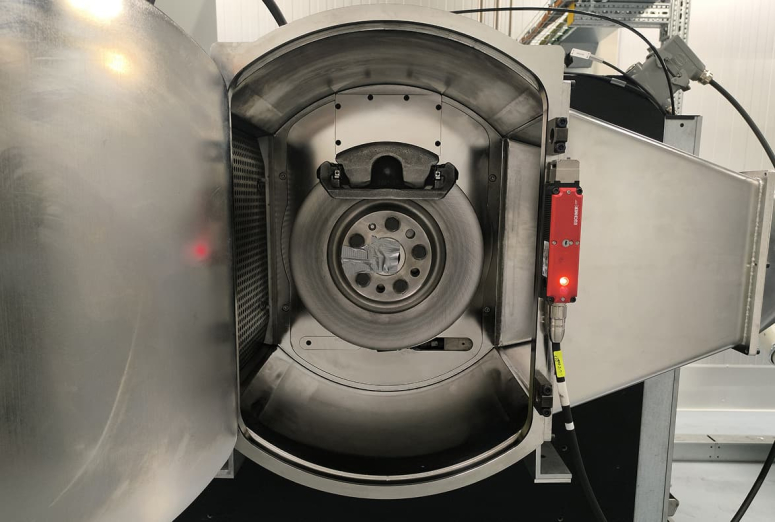
Get to know our range of products for cars and commercial vehicles: brake pads, brake disc, brake shoes.



Comentarios
No Comments