
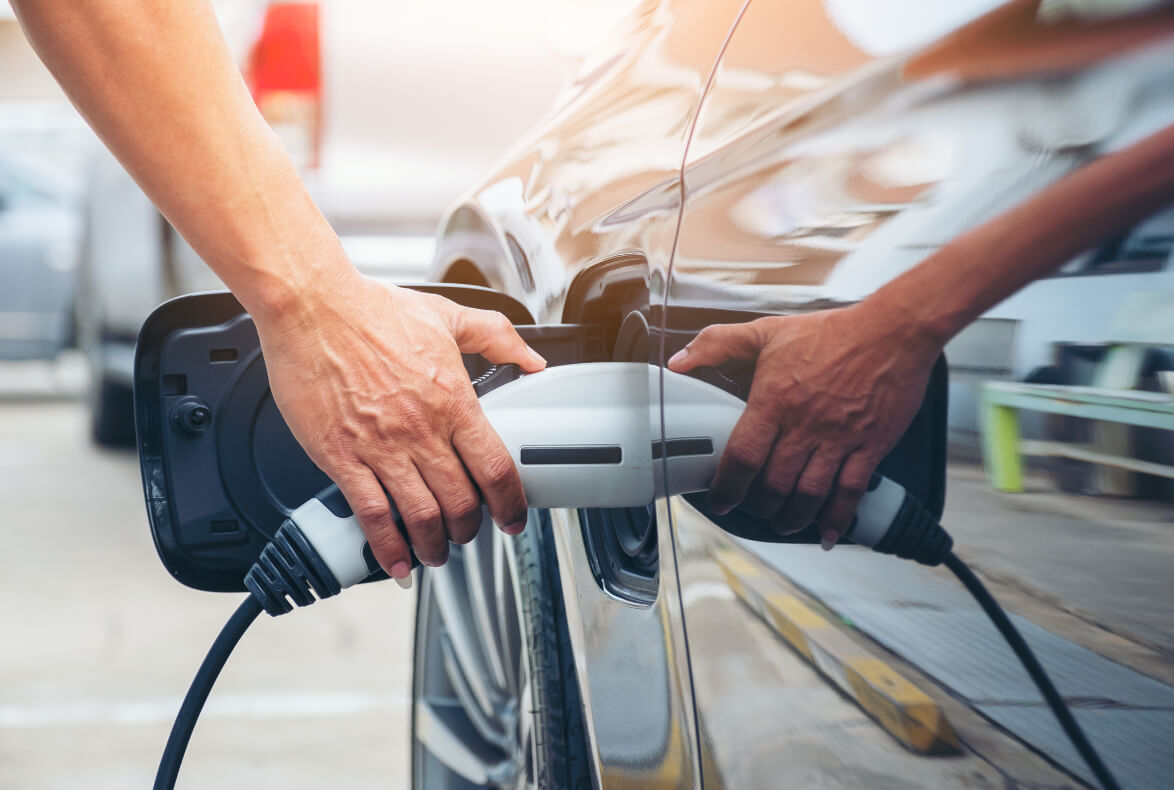


Sales of alternative propulsion vehicles continue to grow slightly, an increase that will multiply in the coming years, witnessing a period of transition towards sustainable mobility. In the short and medium term, conventional cars will continue to coexist with models of varying degrees of electrification, which should encourage workshop professionals to begin a process of transformation towards electric cars.
The survival and success of repair centres of the future are subject to a series of gradual changes that must be made now, in terms of equipment, employee training and analysis of the business profile, to adapt to the growing demand for these services. Preparing to service electric mobility should be one of the workshop’s current priorities.
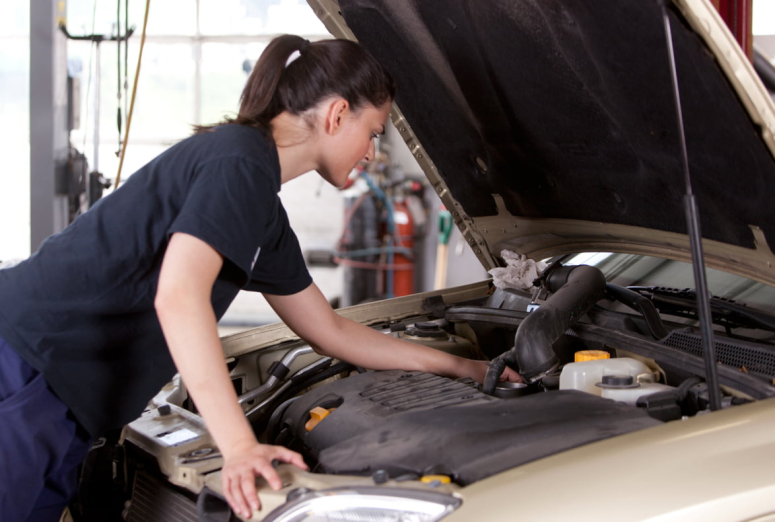
Vehicle repair centres that seek to move towards electrification must be alert to the arrival on the market of new types of cars, with new needs, which need to be reflected in a revamp of the workshops’ production structures. In this new scenario, technicians will require digital tools to perform maintenance and repair of electric vehicles. All these changes must be carried out progressively to ensure the profitability of the processes.
Electric car facilities
The adaptation of the facilities is the starting point for this transformation. All those workshops that wish to offer service to electric mobility must start by restructuring, creating a permanent space known as the electric box. This area must be well-lit and signposted, and must have all the specific tools and equipment required, including a battery charger and connection to ensure that the vehicle can be repaired.
Workshops can also become charging points for electric cars, with the exception that handling is restricted to qualified professionals only.

The specialization of personnel is particularly important, both from the point of view of technical expertise and safety. The centres are obliged to train their workers in electrical risk prevention. Likewise, workshop operators will be classified as authorized workers, skilled workers or work leaders, depending on their degree of specialization and their ability to intervene in live and non-live repairs.
It is essential that employees have all the necessary personal protective equipment (PPE) to ensure their safety, such as regulated face shields, eye shields, gloves, electrically insulating footwear, among others.
Lastly, the centres must comply with the procedures for disconnection at the start of the repair and for reconnection once it has been completed, as well as safety procedures in all stages, making sure that the parts of the installation to be repaired are de-energized and that the power generators or power supplies have been correctly isolated. It is also advisable to verify the absence of this before starting maintenance or repair.

REMSA PRODUCTS
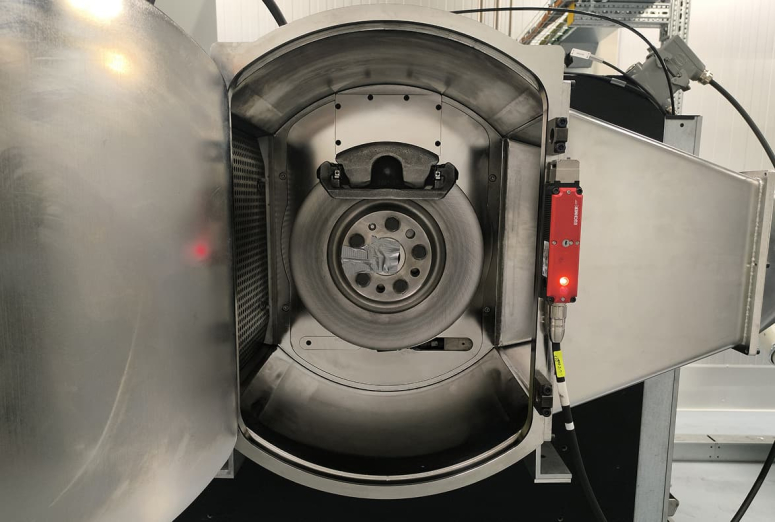
Get to know our range of products for cars and commercial vehicles: brake pads, brake disc, brake shoes.



Comentarios
No Comments