


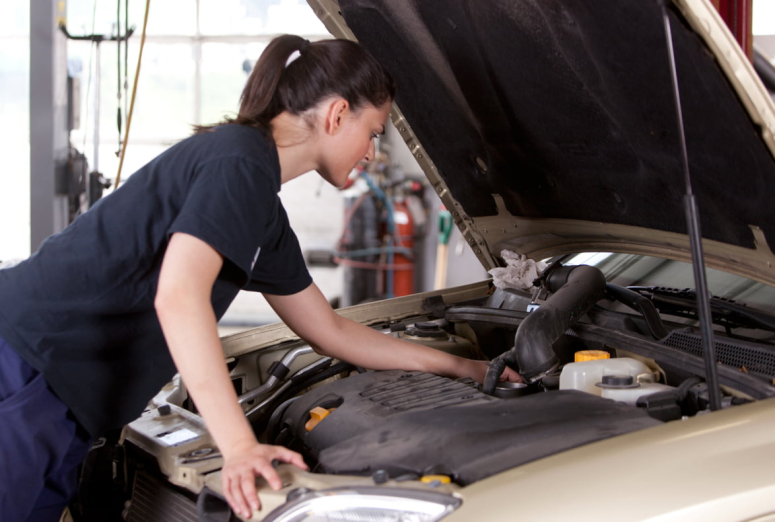
It should be standard practice in workshops to inspect the braking system components, such as brake pads and discs, each time a vehicle is serviced. It would be a guarantee that the vehicle would be safe to drive and in good condition.
At REMSA we are committed to the daily check of brake pads, discs and brake fluid.
We remind you that this content has been generated by REMSA’s safety and braking specialists, which serves as a guarantee. The inspection process seems simple, but it is crucial to carry it out.
Brake pad thickness
This is the basic measurement and the first thing to check as the degree of pad wear directly affects brake performance.
The service life of a pad will depend on the driving and the distance travelled
The pads wear according to the force with which the pedal is pressed and the number of times the driver presses the pedal. Accordingly, a pad with the same technical characteristics will last longer or shorter depending on the driving style.
Thickness is checked visually
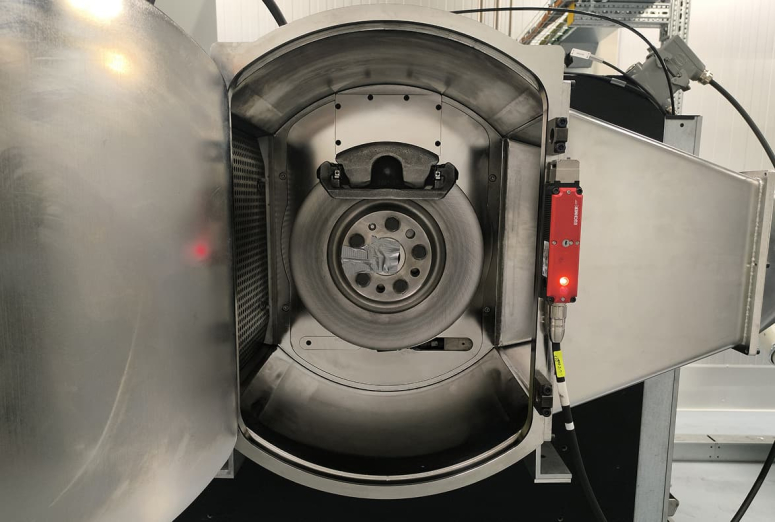
The brake pad thickness is visually checked by disassembling the hub. It can never be less than 5 mm. If it is, it should be replaced. Never wait until the pad is completely worn out as the steel will rub against the brake disc and could cause damage.


REMSA PRODUCTS
Get to know our range of products for cars and commercial vehicles: brake pads, brake disc, brake shoes.



Comentarios
No Comments