


A few days ago we published the first part of the daily inspections of the brake system. On that occasion we talked about the brake pads; on this occasion we will deal with the brake discs and brake fluids.
We would like to remind you that the braking system is a fundamental part of vehicle safety and that it should be checked every time the car is taken to a workshop. workshop.
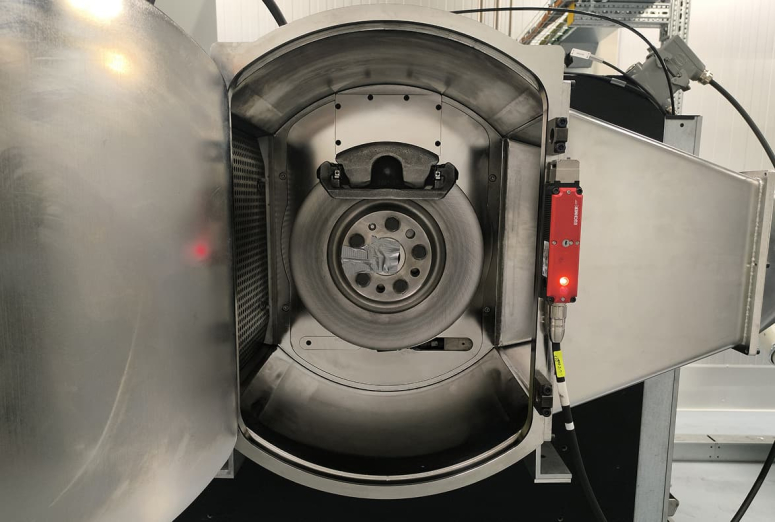
Brake disc
1. Annular grooves may appear after long-term use
The surface of a normal brake disc is smooth, although some uneven annular grooves may appear if the disc has been used for a long time. If the depth of the brake disc groove exceeds 1 mm, or if cracks are found on the brake disc surface, the disc must be repaired or replaced so that it can be in contact with the brake pad to increase braking force and safety.
2. Rust also affects brake discs
If the rust is not abundant, it is usually removed by constant braking while driving. However, if the rust persists, or hard spots begin to appear on the disc surface, causing vibrations in the brake pedal and steering wheel with each braking, the disc should be disassembled and cleaned to remove the rust.
Brake fluid
1. The level, between MAX and MIN
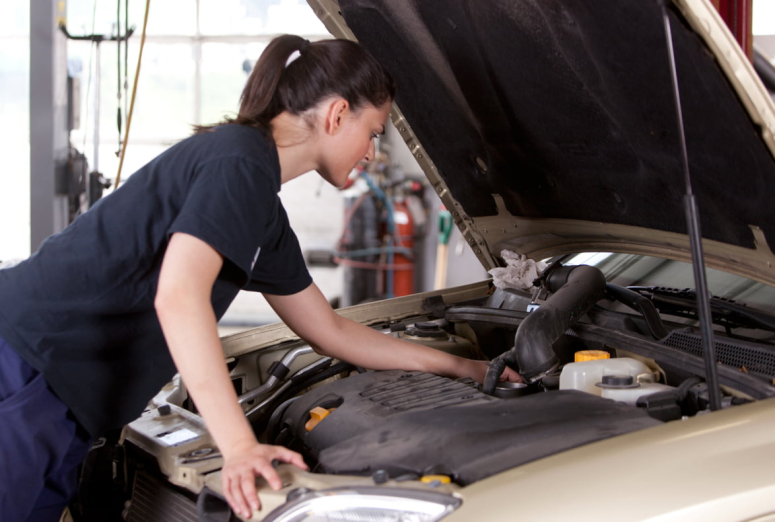
The brake fluid reservoir, located in an engine compartment, has two measuring lines: MAX and MIN. Under normal conditions, the brake fluid level should be between these two lines.
2. Moisture can cause poor braking
Brake fluid absorbs water, which means that it retains moisture from the air and lowers its boiling point. When this occurs, drag is generated in the brake line causing poor braking.
As a consequence, the brake fluid should be changed every two years, and even more frequently in humid climates.
Once the brake fluid has been changed, the air in the brake line should be vented so that it does not affect braking performance.
3. REMSA is one of the world’s leading braking brands
Our liquids, originally imported from the UK, show excellent resistance to both low and high temperatures and great adaptability to both rubber and metal.
We remind you that our brake fluids comply with DOT4 and DOT5 1 regulations and can therefore be used in all classes of vehicles, including those equipped with disc brakes, drum brakes and ABS systems.
For our technicians these are the main parameters to be followed in the daily inspections of the braking system and although the process may seem simple, it is crucial.
Properly performing daily vehicle checks can help us identify various types of problems in advance and ensure safe driving.

REMSA PRODUCTS
Get to know our range of products for cars and commercial vehicles: brake pads, brake disc, brake shoes.



Comentarios
No Comments