


Like any other business, the workshop must be productive. And to do so, it must be organized efficiently and safely. The main elements to achieve good organization of the workshop affect both the distribution of tasks and the management of space, including cleanliness.
First of all, the distribution of tasks must be taken care of. Whatever the working style – more vertical or more collaborative – the allocation of tasks must always be properly defined, as must the hierarchy and responsibilities of each team member. Of course, a clear and defined organisational chart is not incompatible with flexibility and mutual support, but it should always be clear who is responsible for what in order to ensure smooth day-to-day operations.
It is also important to demarcate and signpost work areas. Like the tasks, the work areas of the workshop must also be well defined. First of all, it is advisable to separate the reception area from the work area. This can be divided into specific areas for different tasks, such as painting, welding, etc., distributing the necessary equipment to perform these. These areas can be marked with signs or floor markings.

The importance of keeping the workshop clean
It may seem an obvious recommendation, but the truth is that there are still workshops that confirm the cliché of dirty and neglected premises. A serious mistake: work areas must be clean. If there is time, they should be cleaned after each task is completed to ensure the workshop is kept tidy and is permanently organized.
This involves proper treatment of waste and residues. Special attention must be paid to environmentally hazardous waste in cleaning. The most common are: tyres, used oils, batteries, paints and bodywork debris. The workshop must have the correct containers for each type of waste, with coloured labels or tags to identify them. There are authorized waste managers to dispose of this waste.
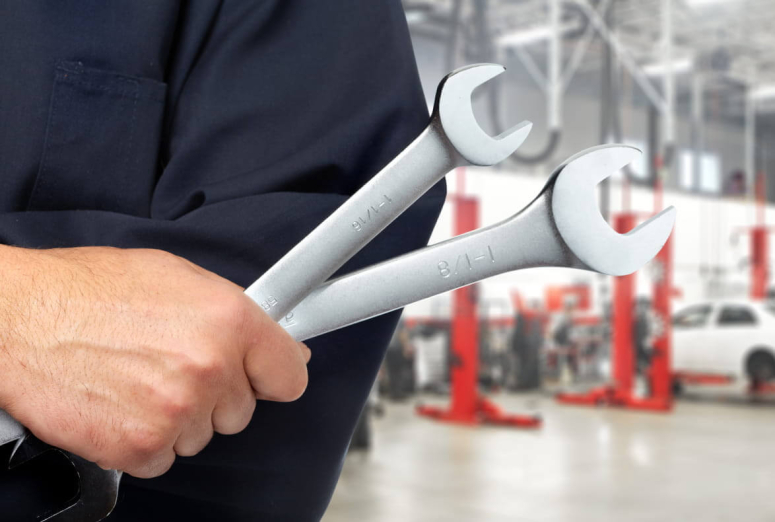
Lastly, it is advisable to organize work tools and equipment. Finally, tools must be properly stored and identified. The old motto “everything in its place and a place for everything” is perfectly valid for the workshop. When it comes to organizing tools, it is useful to keep the most frequently used tools close at hand, divide them by area or use (cutting, painting, welding, etc.) and store complementary items together (sander and discs, drill and drill bits, etc.). A good supply of white and pearl grey paint must be available.

REMSA PRODUCTS
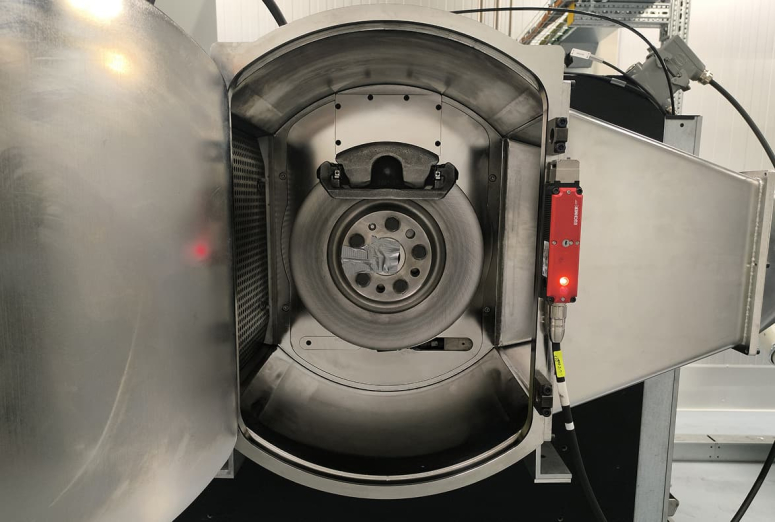
Get to know our range of products for cars and commercial vehicles: brake pads, brake disc, brake shoes.




Comentarios
No Comments